

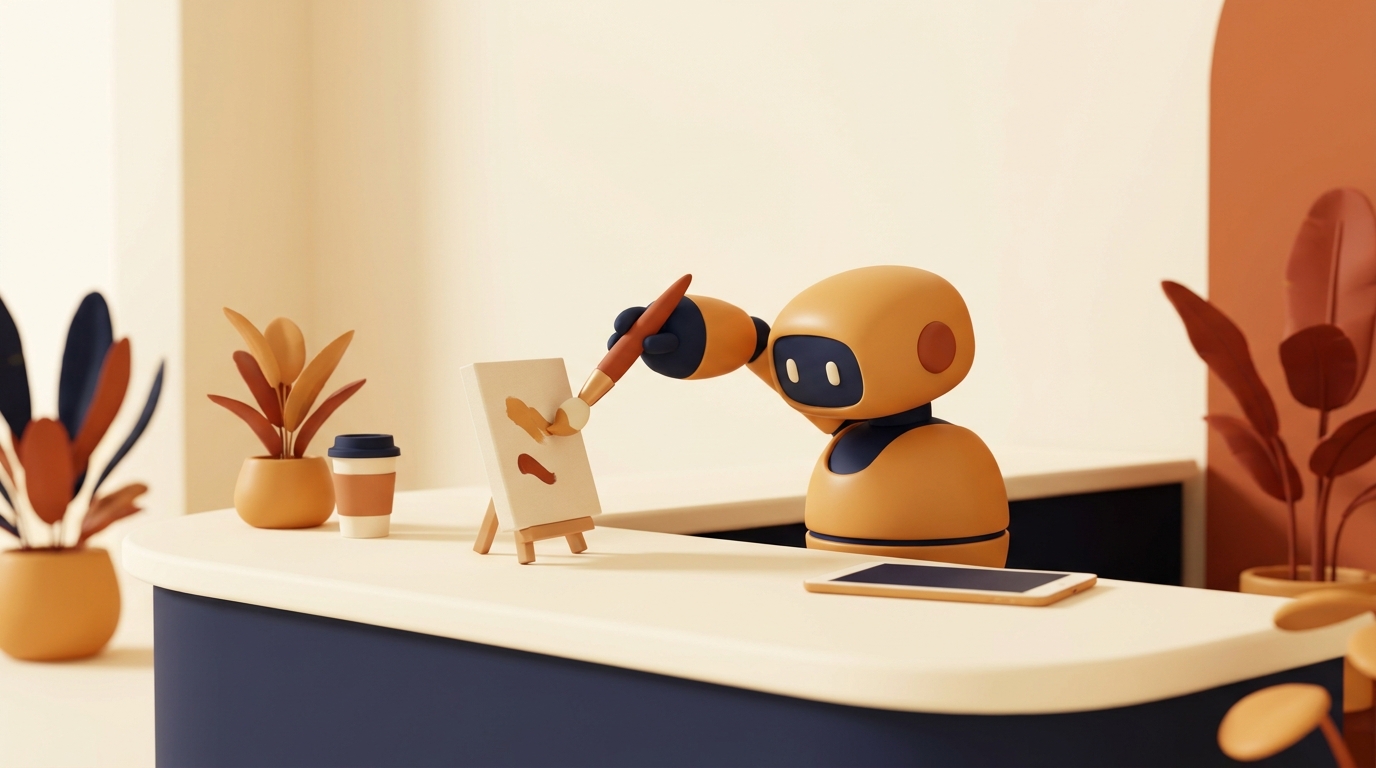
Imagine walking into your local beauty salon, sitting down, and sliding your hand into a sleek, brightly lit machine. Ten minutes later, you pull out a flawless, salon-quality manicure—painted entirely by a robot.
This is not a scene from a sci-fi movie. It is happening right now. Retail giant Ulta is currently testing fully robotic manicurists in select stores, courtesy of a startup called Clockwork. Meanwhile, in university labs, scientists are deploying microscopic, light-powered robots that can navigate obstacles and make their own decisions without human input.
Artificial intelligence is no longer trapped behind a computer screen. It has hands, it moves, and it is stepping straight into the physical world. As a brick-and-mortar business owner, you might be watching these wild innovations and wondering: does this mean I need to hire a robot for my storefront?
What is Physical AI?
Let us break down what "physical AI" actually means without the technical jargon. Until recently, AI was mostly software. It could write your marketing emails, crunch your sales numbers, and generate images for your website.
Physical AI connects that smart software to physical hardware. Think of it as giving a brain and eyes to a machine.
In the past, factory robots were "dumb." They just followed a pre-programmed loop on an assembly line. If something got in the way, they crashed into it. Today’s physical AI uses cameras and sensors to "see" its environment. It analyzes what it sees, makes decisions on the fly, and performs delicate tasks safely—like painting a fingernail without painting the customer's skin.
5 Ways Physical AI Can Help Your Store Today
You might not need a microscopic robot in your shop tomorrow, but automated physical services are rapidly becoming a reality. Here are five concrete ways small and medium businesses can use physical AI today:
1. Automated Inventory Tracking You do not need a humanoid robot to manage your stock. Small, autonomous shelf-scanning robots, like those from Simbe Robotics, or smart camera systems can now patrol your aisles. They instantly flag low stock, spot misplaced items, and ensure your price tags match your register system.
2. Smart Vending and Kiosks Think beyond the traditional snack machines. Smart kiosks using computer vision can serve fresh coffee, mix custom salads, or dispense niche retail products 24/7 without a cashier. Tools like Costa Coffee's autonomous baristas are already proving this model works, allowing you to sell products even when your main staff goes home.
3. Robotic Cleaning Assistants Keeping a storefront spotless takes hours of staff time every week. Commercial robot vacuums and floor scrubbers from brands like SoftBank Robotics use AI to safely navigate around your customers and display racks. They keep your shop clean while your team focuses on making sales.
4. Backroom Order Fulfillment If you run an ecommerce operation out of your retail backroom, physical AI can help pack boxes. Small, collaborative robotic arms (often called "cobots") from companies like Universal Robots can fold boxes, apply shipping labels, or sort packages for local delivery.
5. Automated Customer Greeters Simple robotic kiosks or digital avatars can check customers in, direct them to specific aisles, or notify your staff when an appointment arrives. This frees up your front desk to handle more complex customer service needs instead of just pointing out where the restrooms are.
Your Realistic First Step
You do not need to drop $50,000 on a robotic manicurist tomorrow. But you should start looking at where physical labor creates bottlenecks in your business.
Your first step is simple: pick one repetitive, low-value physical task your staff hates doing. It might be sweeping the floors at closing time, counting inventory in the back room, or folding cardboard boxes.
Once you identify the chore, look up automated solutions for that specific problem. Buying a $500 smart vacuum or an inventory app connected to a smart camera is a great, low-risk way to introduce physical automation to your shop.
Embrace the Future of Retail
Artificial intelligence is moving fast, and it is finally learning how to interact with the real world. While micro-bots and robot manicures might grab the headlines, the real magic is in everyday efficiency.
The brick-and-mortar businesses that thrive will be the ones that let machines handle the repetitive physical chores so human employees can focus on hospitality and customer connection.
Ready to dip your toes in? Take ten minutes today to write down three physical tasks in your store that drain your team's time, and start searching for your first automated fix.